
Ayodhya Ram Temple Donation Probe: SIT Flags Lapses, Recommends CEO-Led Reform Model
Preliminary SIT Report Submitted to Uttar Pradesh Government


Lucknow | June 24, 2026: The Special Investigation Team (SIT) probing alleged irregularities in the handling of donations at the Ram Temple in Ayodhya has submitted its preliminary report to the Uttar Pradesh government. The report marks a major development in a case that has attracted national attention and triggered demands for greater transparency in temple fund management.
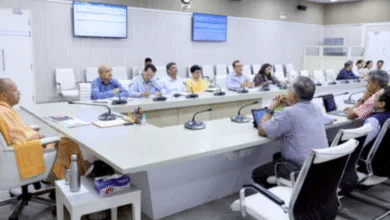
The three-member SIT, headed by Lucknow Divisional Commissioner Vijay Vishwas Pant, handed over the report to Additional Chief Secretary (Home) Sanjay Prasad after completing a week-long investigation. The team also included IG Lucknow Range Kiran S and Special Secretary (Finance) Neel Ratan.
What Triggered the Ram Temple Donation Controversy?
The controversy began earlier this month after allegations surfaced regarding the alleged theft and misappropriation of devotees’ offerings at the Ram Temple.
Reports claimed that irregularities existed in the collection, counting, storage, and banking of donations received from devotees. The allegations gained political attention after opposition leaders demanded an independent inquiry and greater accountability in the management of temple funds.
Following these concerns, Chief Minister Yogi Adityanath directed the formation of a Special Investigation Team on June 13. The probe was launched to verify the allegations and examine the existing financial management system at the temple.
SIT Examined Donation Collection and Counting Systems
During its investigation, the SIT reviewed several aspects of temple administration and financial operations.
The team scrutinized donation collection methods, cash-counting procedures, banking operations, CCTV monitoring systems, employee deployment, and the management of valuables offered by devotees. Investigators also examined financial records and recorded statements from nearly 150 individuals associated with temple operations.
In addition, investigators questioned trust officials and personnel involved in handling donation boxes and counting cash offerings. Trust member Dr. Anil Mishra was also questioned regarding donation counting procedures and staffing arrangements.
Key Findings: Systemic Lapses Reportedly Detected
According to sources familiar with the investigation, the preliminary report points to several procedural and administrative lapses in the management of temple donations
Issues in Cash Handling
The SIT reportedly found weaknesses in:
- Collection of donations from hundis
- Transportation of cash to counting centers
- Cash-counting procedures
- Transfer of money to banks
- Monitoring and documentation processes
Investigators also reportedly noted inadequate oversight during various stages of donation handling.
CCTV Monitoring Concerns
The report is believed to have highlighted shortcomings in CCTV surveillance and monitoring systems. Investigators reportedly examined footage and reviewed the responsibilities of personnel assigned to oversee camera operations.
Employee Verification and Staffing Issues
Sources suggest that the SIT found gaps in employee verification procedures and hiring practices. Questions were reportedly raised regarding the deployment of personnel in sensitive cash-handling positions
Management of Valuables Under Scrutiny
The investigation also reviewed records related to gold, silver, jewelry, diamonds, and other valuable offerings made by devotees.
Sources indicate that investigators examined documentation, inventory management, storage procedures, and accounting systems connected with these offerings.
Recommendation for CEO-Led Temple Administration
One of the most significant recommendations in the preliminary report is the appointment of a professional Chief Executive Officer (CEO) for the temple trust.
The proposed model reportedly draws inspiration from the administrative framework adopted at the Kashi Vishwanath Temple. Officials believe such a structure could strengthen accountability, improve operational efficiency, and enhance financial transparency.
Why the Kashi Vishwanath Model?
The Kashi Vishwanath Temple management system combines religious administration with professional governance practices.
Supporters of the model argue that a dedicated CEO can oversee financial operations, monitor compliance, improve auditing systems, and ensure transparent handling of donations while allowing religious authorities to focus on spiritual affairs.
Additional Recommendations Reportedly Included
Sources indicate that the SIT has suggested several corrective measures, including:
Stronger Financial Audits
The report reportedly recommends a comprehensive audit of temple funds over the past several years. Such an exercise could help identify operational gaps and strengthen public confidence in financial management systems.
Improved Monitoring Mechanisms
The SIT has reportedly called for:
- Better CCTV coverage
- Enhanced documentation systems
- Stronger employee verification procedures
- Improved oversight of cash movement
- Greater transparency in banking operations
These measures aim to reduce operational risks and improve accountability.
Possible Legal Action
Some reports suggest that investigators have recommended further legal examination of certain aspects of the case. However, authorities have not officially disclosed the contents of the preliminary report.
Government Yet to Announce Next Steps
The Uttar Pradesh government has not officially released the contents of the report. Officials are expected to review the findings before taking any administrative or legal decisions. Sources indicate that the report may also be placed before Chief Minister Yogi Adityanath for further consideration.
Meanwhile, the SIT continues its investigation and is expected to submit a more detailed final report in the coming weeks.
Ram Temple Donation Probe Highlights Need for Strong Governance
The Ayodhya Ram Temple receives substantial donations from millions of devotees who visit the shrine every year. As a result, robust systems for handling cash, valuables, auditing, and reporting are essential.
The ongoing investigation has brought renewed attention to governance standards in religious institutions. Regardless of the final findings, experts believe that stronger transparency measures and modern management systems will play an important role in maintaining public trust and ensuring responsible stewardship of devotees’ contributions.
Also Read : FundsIndia Secured NCD Issuance Raises Rs. 446 Million to Boost Growth