

If you have spent any time around poker tables in Adelaide or watched a local cash game wrap up on a slow arvo, you have probably noticed the cards come out faster when there are fewer of them. Short deck poker online leans into that same idea, trimming the deck down so hands develop differently and the maths shifts under your feet. This piece walks through how that format actually plays out, what to expect from a well-built room, and where the trade-offs sit before you decide whether it deserves a slice of your bankroll.
How the shorter deck changes the maths you already know
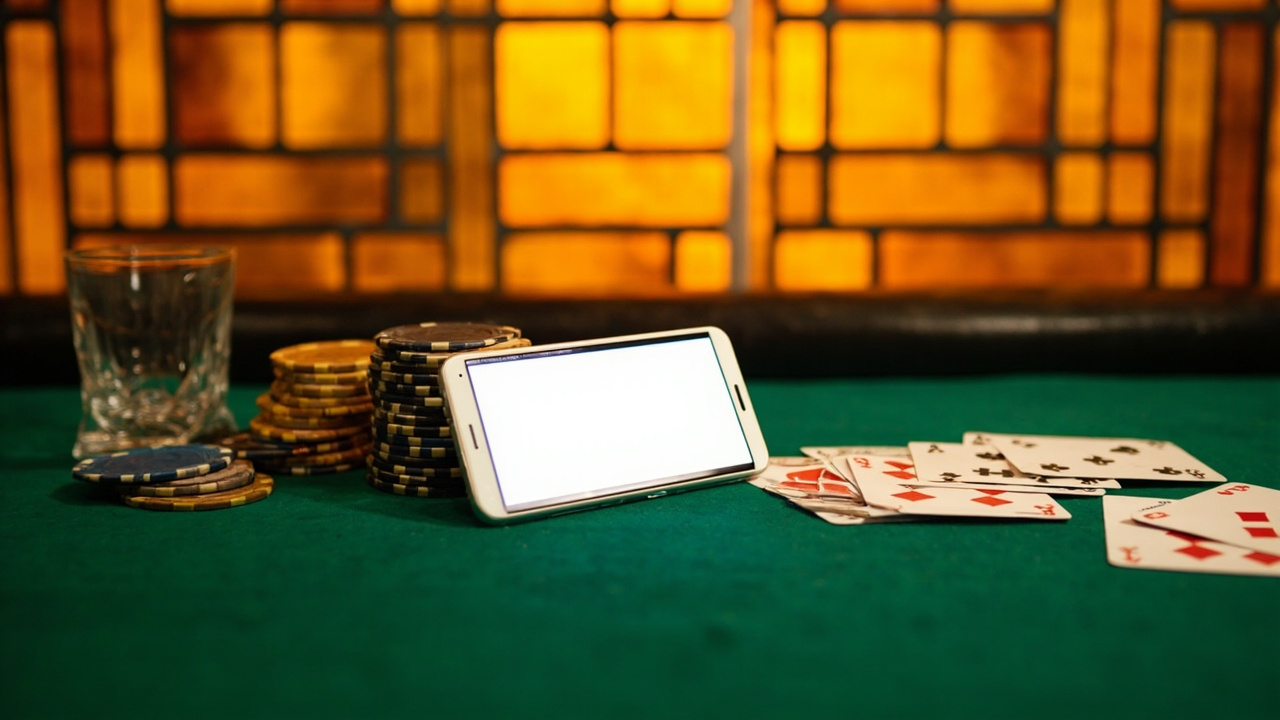
When you strip the 2s through 5s out of a standard fifty-two-card deck, you are left with thirty-six cards and a hand ranking system that quietly rewrites a lot of what you learned first. Aces still sit high, but the relative value of straights, flushes and pairs moves because there are fewer ranks to fill the gaps. That matters for anyone who has spent years modelling hold-em equities, because the same intuition does not transfer cleanly. In my own work on reel layout and payout curves for land-based cabinets, I have seen how a small change in symbol density reshapes hit frequency and variance; short deck poker does something similar to hand frequency, just with ranks instead of icons. A flush becomes harder to make than a full house in many short deck variants, which flips the usual ranking you would expect, and that is the kind of detail that separates a polished product from a half-finished one. A room that gets this right will label hand rankings clearly, show the variant in play on every table, and avoid mixing rules from one seat to the next. If you are coming from a standard deck background, expect your starting-hand ranges to tighten and your post-flop decisions to run hotter, because the compressed rank space means more overlapping strengths between hands. That is not a flaw in the game; it is the point of it, and it is why the format rewards players who are willing to recalibrate rather than just carry over old habits.
Once you account for the missing ranks, the probability of completing a flush or a straight shifts noticeably, making marginal hands far more volatile than they appear at first glance. If you want to see how those mathematical adjustments translate into actual gameplay, you can play big bass amazon xtreme at https://big-bass-amazon-extreme-au.com/ and watch the ranking system respond in real time. The same principle applies to any stripped-deck variant: fewer available ranks compress the gap between strong and weak holdings, so disciplined counting becomes the real differentiator.
What a solid short deck poker online room looks like on a normal night
A well-built short deck poker online room does not need to shout about its novelty to hold attention; it needs to make the tables easy to read, the action easy to join, and the rules consistent from one session to the next. The strongest rooms keep the lobby tidy, let you filter by stake and format, and show blind levels, table size and number of players without making you click through three pages first. Registration should be straightforward, with a clear path through verification and a sensible pace for deposits in Australian dollars, because nothing kills a session faster than a payment flow that stalls halfway through an evening. Mobile play matters just as much as desktop here, since a lot of casual play happens between other things, and the table view needs to hold up when you are checking in from a phone on the couch or at a café table. Support should be reachable through a channel that actually gets answered, not just a form that disappears into a queue, and the loyalty side should reward regular play without turning into a maze of expiring points. When you compare that kind of everyday usability to the way a social casino title is tuned for smooth session flow and clear feedback, you start to see that the same design discipline shows up in both worlds, just with different stakes and different rules around real money. The point is not that every room needs to feel identical, but that the basics need to work without friction so you can focus on the cards instead of the interface.
A beginner-friendly way to get comfortable with short deck play
If you are new to short deck poker online and want to get a feel for it without throwing money at the wall, here is a simple way to ease in that I would suggest to a mate who has never touched the format before. First, pick one table with the lowest sensible stakes and sit out a few orbits while you watch how often flops connect and how the hand rankings play out in practice. Second, spend a minute on the help section or rules panel before you join, just to confirm how flushes and full houses are ranked in that specific room, because the order can vary and it changes which hands you chase. Third, start with tighter starting ranges than you would use in a full-deck game, since the smaller rank space means more hands stay competitive and loose play gets punished faster. Fourth, keep your sessions short at first and track how you feel after a couple of buy-ins, because the faster hand pace can make a winning or losing streak feel more intense than it really is. Fifth, treat the first few sessions as a learning run rather than a grind, and only bump the stakes once you can read the table rhythm without second-guessing every decision. That is not a shortcut to profit; it is just a sensible way to learn the shape of the game before you commit more time or money to it.
The limits and trade-offs worth knowing before you play
No format is perfect, and short deck poker online has a few limits that are worth keeping in mind so you do not misread the experience as something it is not. The faster hand pace is a genuine strength for some players, but it can also make a session feel busy as a Tuesday lunchtime if you are the sort who likes to think through each street carefully, and that rhythm is not for everyone. Bankroll swings can feel sharper because the compressed rank space produces more contested pots, which means you need a staking plan that leaves room for variance instead of assuming every bad beat is a sign to chase. Table availability can be thinner than full-deck cash games, especially at quieter times, so you may not always find the exact stake or format you want without a short wait. The rules themselves can differ between rooms, particularly around hand rankings and whether certain variants allow the same wild cards or special payouts, so it pays to check the specifics before you sit down rather than assuming every table plays the same way. I have seen the same kind of issue in slot production, where a small rule tweak between jurisdictions changes how a game is presented and what players expect from it, and the lesson is the same here: consistency and clarity matter more than hype. None of that makes the format a poor choice; it just means the room you pick and the way you approach it will shape the experience a lot more than the cards themselves.
Short deck poker online is a format that rewards players who are willing to adjust their expectations and learn the new shape of the hands, rather than treating it like a faster version of the same old game. For Australian players who already enjoy poker and want something with a different feel, it can be a solid addition to a broader play routine, so long as you pick a room with clear rules, sensible stakes, and a table experience that does not make you fight the interface. If you decide to give it a proper try, start small, watch how the rankings play out in practice, and let the first few sessions teach you the pace before you commit more time or money to it.

