

I spent a solid week chasing a false pattern in a demo account, convinced the next cascade would pay out on cue. Smart operators know better than to read tea leaves into randomised drops. The avalanche feature pokies online AUD conversation keeps circling back to that same trap, so let me save you the wasted spins.
You have probably watched a screen empty out, watch tiles vanish, and assumed the machine was building toward something. Random number generators do not owe you a narrative. What actually matters is how the mechanic reshapes volatility, how the payout intervals stretch, and whether your bankroll can survive the dry patches between drops.
Down Under we treat volatility like a weather report, not a promise. Overseas markets sell the same mechanic with flashier names and looser framing, often bundling it into bonus buys that sound like a shortcut. Australian players who have watched a Melbourne Cup run past or sat through a Boxing Day Test know the difference between a structured contest and a coin toss. https://bigbassbonanzaau.net/
Read the drop pattern before you press spin
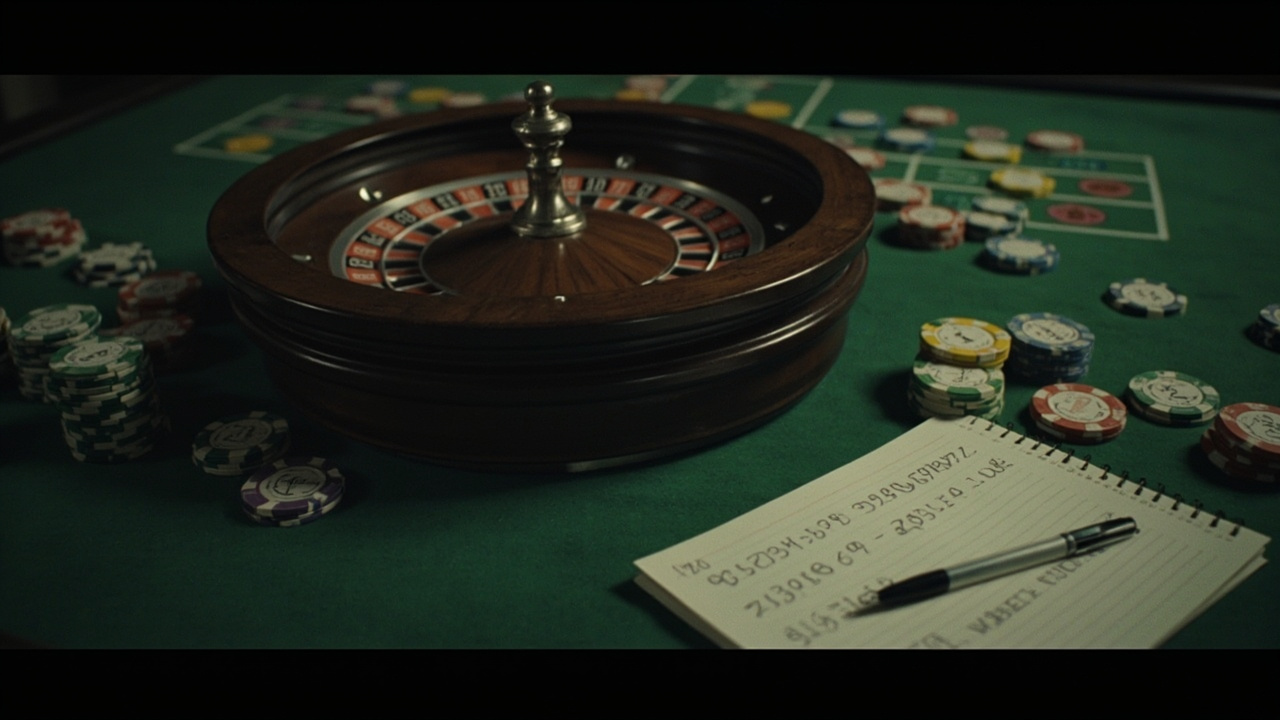
Treat every avalanche mechanic as a sequence of independent events, because the screen might look like it is stacking momentum but the underlying math stays detached. You can test that assumption in a single session by opening a demo, marking ten separate runs on a notepad, and counting how many cascades actually trigger a second wave. Most players skip that step and start chasing the visual noise instead of the distribution.
The practical check is simple enough to run between coffee breaks. Open the paytable, note the minimum win threshold for a cascade to count, then watch for the point where consecutive drops stop adding value. A machine that pays small frequent clears behaves differently from one that holds back for a heavy cascade, and your staking plan needs to match that rhythm rather than fight it.
Match your stake to the volatility profile
A session budget works best when you tie it to a fixed time window instead of an arbitrary win target. Say you deposit fifty dollars and decide that a twenty-minute block at a set spin value is your ceiling, you have already built in a hard stop that keeps a dry run from draining the rest of the week. That discipline matters more than any feel-good story about a machine being due.
Global operators often push higher base bets as a way to accelerate bonus triggers, which sounds efficient until the variance bites. The Australian approach is quieter and a bit more stubborn: we tend to size the bet to the bankroll first, then let the feature frequency decide whether the session keeps going. You can see that mindset reflected in how local players talk about a State of Origin match, where the pacing matters as much as the scoreline.
Track the cascade intervals that actually matter
Start a live session by writing down the spin count between the first three cascade events, because that sample tells you whether the mechanic is clustering or spreading out. If the gaps stay short, the game is feeding frequent small resets and your bet size should stay conservative. If the gaps stretch past a dozen spins, you are looking at a slower build and a bigger drawdown risk between drops.
The next step is to compare that live sample against the paytable’s stated trigger conditions, then adjust your stop-loss line accordingly. A player who ignores the interval data and just rides the visual excitement will usually hand back the advantage to the house edge. You do not need a spreadsheet, just a clear note of when the screen goes quiet and how long you are willing to wait. Gamblinghood
Spot the bonus buy trap before it costs you
Some titles let you purchase a direct trigger instead of waiting for the base game to accumulate enough activity. That shortcut looks tempting when the screen has gone quiet for a while, but the price tag usually shifts the expected value against you. A sensible rule is to treat any paid trigger as a separate product with its own cost, not as a discount on the normal game.
The clearest way to judge that trade-off is to compare the buy-in cost against the average cascade return you have already observed in the base game. If the purchase price runs higher than the value you would reasonably expect from waiting, you are paying for speed rather than edge. That kind of comparison is the same habit you use when sizing up a Darwin harbour tide, where the timing matters more than the noise on the water.

Build a session rhythm that survives dry runs
A solid rhythm starts with a fixed entry point, a fixed exit point, and a rule that keeps you from moving either one mid-session. You can anchor that structure by picking a single title, setting a time block, and refusing to switch games the moment the screen goes flat. Players who keep hopping between machines usually hand their discipline over to the nearest bright graphic.
The practical sequence runs like this. Set your spin value, mark the clock, play through the first quiet stretch without touching the bet, then review the cascade count before you decide whether to continue. If the data says the mechanic is spreading out, you walk away with what you have. If the data says the intervals are clustering, you keep going with the same stake and the same stop-line.
Check the paytable for the minimum cascade value before you commit any stake.
Run a ten-run demo sample and note how many drops trigger a second wave.
Tie your session budget to a fixed time block rather than a win target.
Treat any paid bonus trigger as a separate product with its own cost.
Keep your bet size steady through the first quiet stretch instead of chasing the screen.
Note the spin count between your first three cascade events.
Compare that interval sample against the stated trigger conditions.
Adjust your stop-loss line if the gaps stretch beyond your comfort zone.
Leave the machine if the dry run exceeds your pre-set time block.
Record the result so your next session starts with data, not guesswork.
Darwin players who have watched the harbour go flat at low tide know the value of sitting out a stretch instead of forcing action. The same patience applies when a cascade mechanic goes quiet for a long run and your first instinct is to chase it with a bigger bet. Good sessions end because the plan said so, not because the screen finally coughed up a win.

