
UP Braj Teerth Vikas Parishad and Heartfulness Institute Join Hands to Restore Braj’s Sacred Heritage and Ecology Through Vraj Vaibhav Abhiyan
Historic MoU Aims to Transform Mathura-Vrindavan into a Model of Ecological Restoration, Biodiversity Conservation, and Sustainable Pilgrimage

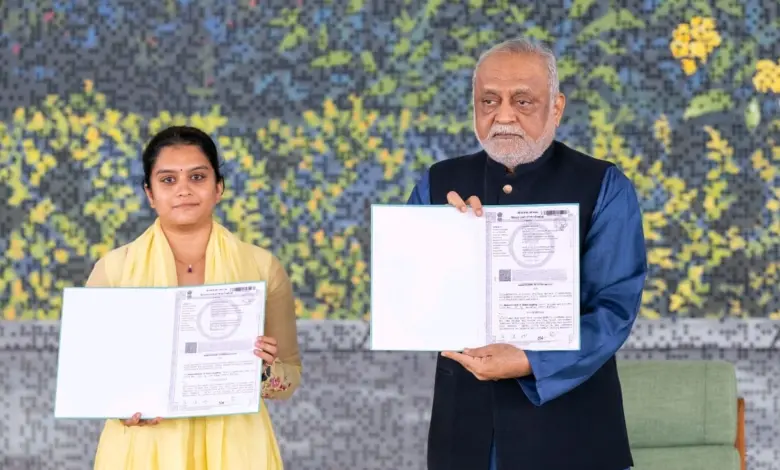
Lucknow | July 20, 2026: In a significant step towards restoring the spiritual and ecological heritage of Braj, the UP Braj Teerth Vikas Parishad Heartfulness Institute partnership has been formalized through a Memorandum of Understanding (MoU). The agreement was signed in Mathura between the Uttar Pradesh Braj Teerth Vikas Parishad (UPBTVP) and the Heartfulness Institute to jointly undertake projects focused on ecological restoration, biodiversity enhancement, heritage conservation, yoga, meditation, youth engagement, and community development across Mathura and Vrindavan.
The collaboration forms a key part of the Vraj Vaibhav Abhiyan, an ambitious initiative dedicated to reviving the sacred forests, ponds, and pilgrimage routes associated with Lord Krishna while promoting sustainable tourism and environmental awareness.
What is the Vraj Vaibhav Abhiyan?
The Vraj Vaibhav Abhiyan is a large-scale ecological and cultural revival mission inspired by Revered Daaji, Guide of Heartfulness and President of Shri Ram Chandra Mission. The campaign seeks to restore Braj’s natural ecosystems alongside its centuries-old spiritual heritage.
The initiative combines scientific conservation techniques with community participation to rejuvenate forests, sacred water bodies, biodiversity, and pilgrimage infrastructure.
According to the project vision, the campaign will preserve the ecological balance of Braj while ensuring that future generations continue to experience its rich cultural and spiritual legacy.
Major Projects Planned Under the Collaboration
The UP Braj Teerth Vikas Parishad Heartfulness Institute collaboration includes several ambitious projects that will reshape the environmental landscape of Braj.
Restoration of Historic Sacred Kunds
The first phase focuses on restoring at least ten historic sacred ponds (Kunds), including:
- Govind Kund
- Gandharv Kund
- Surabhi Kund
Meanwhile, Radha Kund, Milan Kund, and several other sacred water bodies are already undergoing rejuvenation through modern bioremediation techniques, sewage treatment systems, and restoration of adjoining ghats with support from ISKCON and the Tata Group.
These measures aim to improve water quality, revive aquatic ecosystems, and preserve important pilgrimage sites.
Eco-Friendly Inner Parikrama Path
The project also includes the construction of a 7-kilometre eco-friendly Inner Parikrama Path.
The pathway has been designed to improve the pilgrimage experience by providing:
- Separate walking lanes for pilgrims
- Dedicated routes for devotees performing full-body prostration parikrama
- Improved safety and environmental protection
The project seeks to reduce congestion while protecting the fragile ecosystem surrounding Govardhan.
Large-Scale Afforestation Around Govardhan Hill
Another major initiative focuses on restoring Braj’s disappearing forests.
Nearly 60 hectares around Govardhan Hill will receive extensive afforestation using indigenous tree species. The project includes:
- Modern irrigation systems
- Rain Gun Sprinkler technology
- Scientific plantation methods
- Native Braj vegetation
This initiative aims to improve groundwater recharge, reduce soil erosion, and rebuild natural habitats for birds and wildlife.
Revival of Ancient Sacred Forests
The campaign also seeks to revive Braj’s ancient forests, many of which hold deep religious significance in Hindu traditions.
Among the forests identified for restoration is the historic Kamail Karhala Forest, where indigenous plant species will be replanted using ecological restoration methods.
The programme aligns environmental conservation with the preservation of Braj’s sacred landscape.
Eight-Acre Native Plant Nursery in Sunrakh
To support long-term ecological restoration, an eight-acre modern nursery is being developed in Sunrakh, Vrindavan.
The nursery will cultivate indigenous plant varieties native to Braj, ensuring that future plantation drives use species historically associated with the region.
Experts believe this will significantly improve biodiversity restoration efforts across Mathura and Vrindavan.
Vision Behind the Partnership
Revered Daaji described Braj as a place where spirituality and nature have always existed in harmony.
He said that protecting the environment also strengthens human consciousness and creates a lasting legacy for future generations.
According to him, environmental restoration is not only about protecting land but also about nurturing the inner well-being of communities.
UPBTVP Highlights Importance of Sustainable Development
UP Braj Teerth Vikas Parishad Vice Chairman Shailja Kant Misra said the partnership would strengthen Braj’s identity as a centre of sacred heritage, environmental stewardship, and holistic well-being.
CEO Lakshmi Nagappan added that the collaboration would convert shared vision into measurable community-level outcomes by improving environmental conservation, public participation, and cultural preservation.
Future Projects May Include CSR and Academic Partnerships
The MoU provides flexibility for both organisations to launch additional projects with the support of:
- CSR partners
- Academic institutions
- Technical experts
- Government agencies
- Environmental organisations
- Implementation partners
Each project will operate under separate funding arrangements, while both organisations will retain ownership of their existing intellectual property and proprietary methodologies.
How the Initiative Supports Uttar Pradesh’s Vision for Braj
The collaboration aligns with the Uttar Pradesh Government’s larger vision to transform Mathura, Vrindavan, Govardhan, Barsana, and the wider Braj region into world-class spiritual destinations.
Earlier this year, Chief Minister Yogi Adityanath approved nearly ₹300 crore worth of development projects for Braj, including improved pilgrimage infrastructure, ecological conservation, tree plantation drives, and the development of the 84 Kos Parikrama Path.
The latest partnership complements these initiatives by adding scientific ecological restoration and community participation to ongoing infrastructure development.
Why This Collaboration Matters
The UP Braj Teerth Vikas Parishad Heartfulness Institute partnership represents one of the most comprehensive conservation initiatives undertaken in the Braj region in recent years.
Instead of focusing solely on infrastructure, the collaboration integrates environmental restoration, biodiversity conservation, sustainable pilgrimage, cultural preservation, and community engagement into a unified development model.
If implemented successfully, the Vraj Vaibhav Abhiyan could become a national benchmark for combining ecological sustainability with spiritual heritage conservation.
UP Government Launches Pilgrimage Schemes for Buddhists and Sikhs